

RIDA T.S. modernized the control systems for Mellitah Oil & Gas Company’s crude oil heaters through a complete upgrade of field automation and control hardware. The team engineered, supplied, and installed new control panels tailored to operational needs, followed by programming and system reconfiguration to improve heater performance and safety.
Location
Abu Attifel A100 Field, Libya
Date
2017 - 2018
Solution
Field Automation & Control Upgrades
Local Panel Engineering & Assembly
Software Configuration & Logic Programming
Fired Equipment Safety Interlocking
Project Profile: Control System Upgrade for Crude Oil Heaters
Key Project Details
Project Name: Control System Upgrade for Crude Oil Heaters
Core Objective: To replace aging infrastructure with advanced automation to improve heater performance, enhance process safety, and reduce manual intervention.
Scope of Work: System architecture design, local cabinet assembly, PLC software programming, field sensor calibration, and hot loop commissioning.
Technology Deployed: Programmable Logic Controllers (PLC), custom-engineered local control panels, SCADA/HMI operator stations.
Operational Impact:
Enabled automated, precise heat control over crude flow paths.
Introduced safety emergency shutdown (ESD) logic for critical fired equipment.
Significantly cut down the need for manual field operator interventions.
All control cabinets were proudly assembled and configured locally, demonstrating RIDA T.S.’ ability to deliver advanced control solutions with in-country capabilities. This modernization drastically enhanced operational reliability, providing the facility with robust safety interlocking metrics that prevent thermal over-runs.
Products & Services Used:
Control Systems: High-reliability industrial PLCs, custom field cabinets, and intuitive SCADA graphical user interfaces.
Engineering Services: Local hardware integration, software architecture programming, and comprehensive loop testing.
Post-Project Impact: The crude oil heaters now run on optimized thermal cycles with minimal fuel consumption. The addition of automated safety logic fully isolates the fired assets during upstream upsets, protecting field staff and core process equipment.

Project Gallery: Crude Oil Heaters Control System Upgrade
The comprehensive upgrade of the crude oil heaters control system highlights RIDA TS’s advanced capabilities in industrial automation, electrical engineering, and process optimization within the demanding oil and gas sector. Crude oil heaters are vital assets in refinery and processing operations, requiring highly precise thermal regulation and rigorous safety management to prevent hazardous conditions.
This strategic modernization project focuses on replacing legacy control architectures with state-of-the-art programmable logic controllers (PLCs) and advanced burner management systems, thereby ensuring optimal combustion efficiency, reduced emissions, and total operational safety.
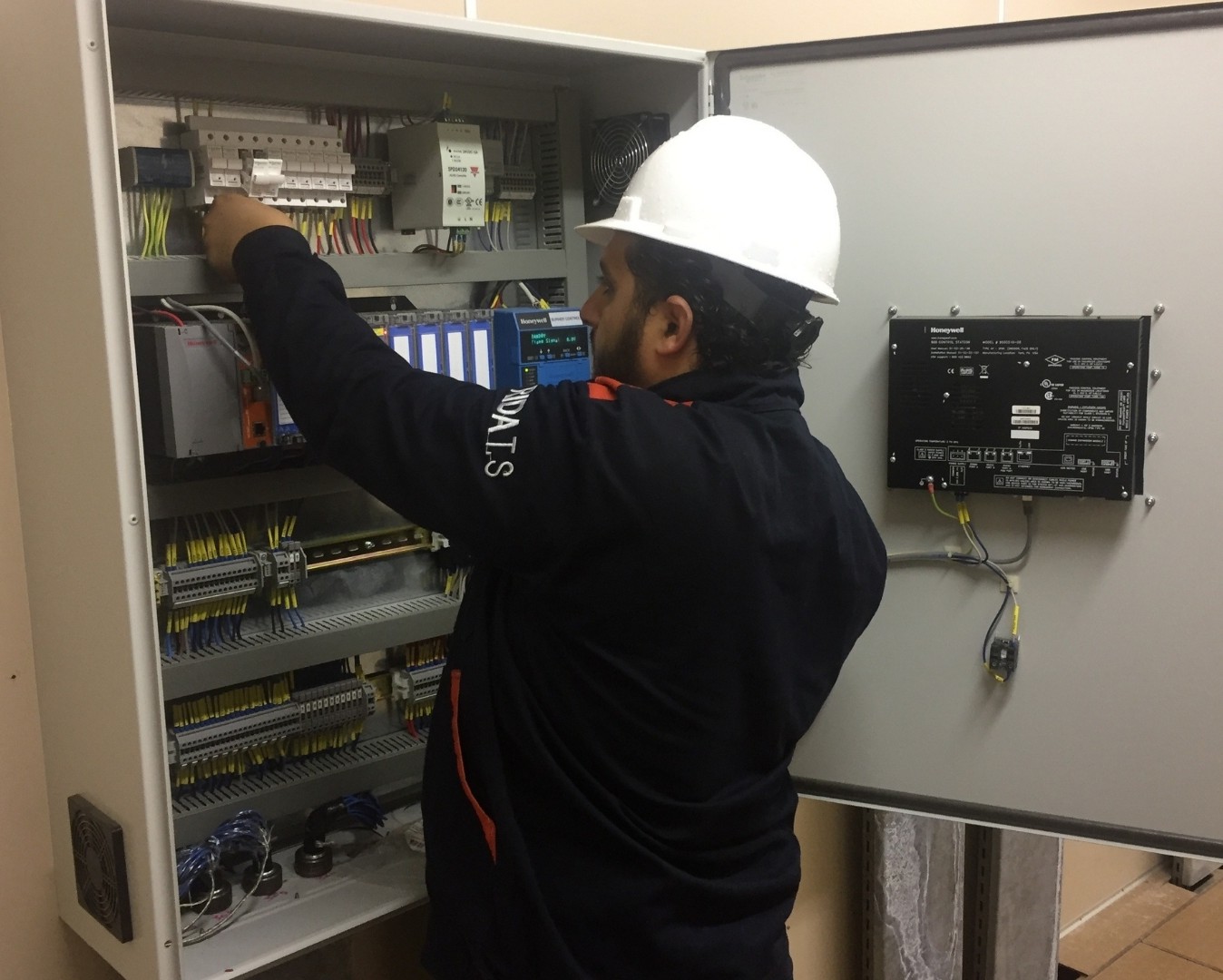
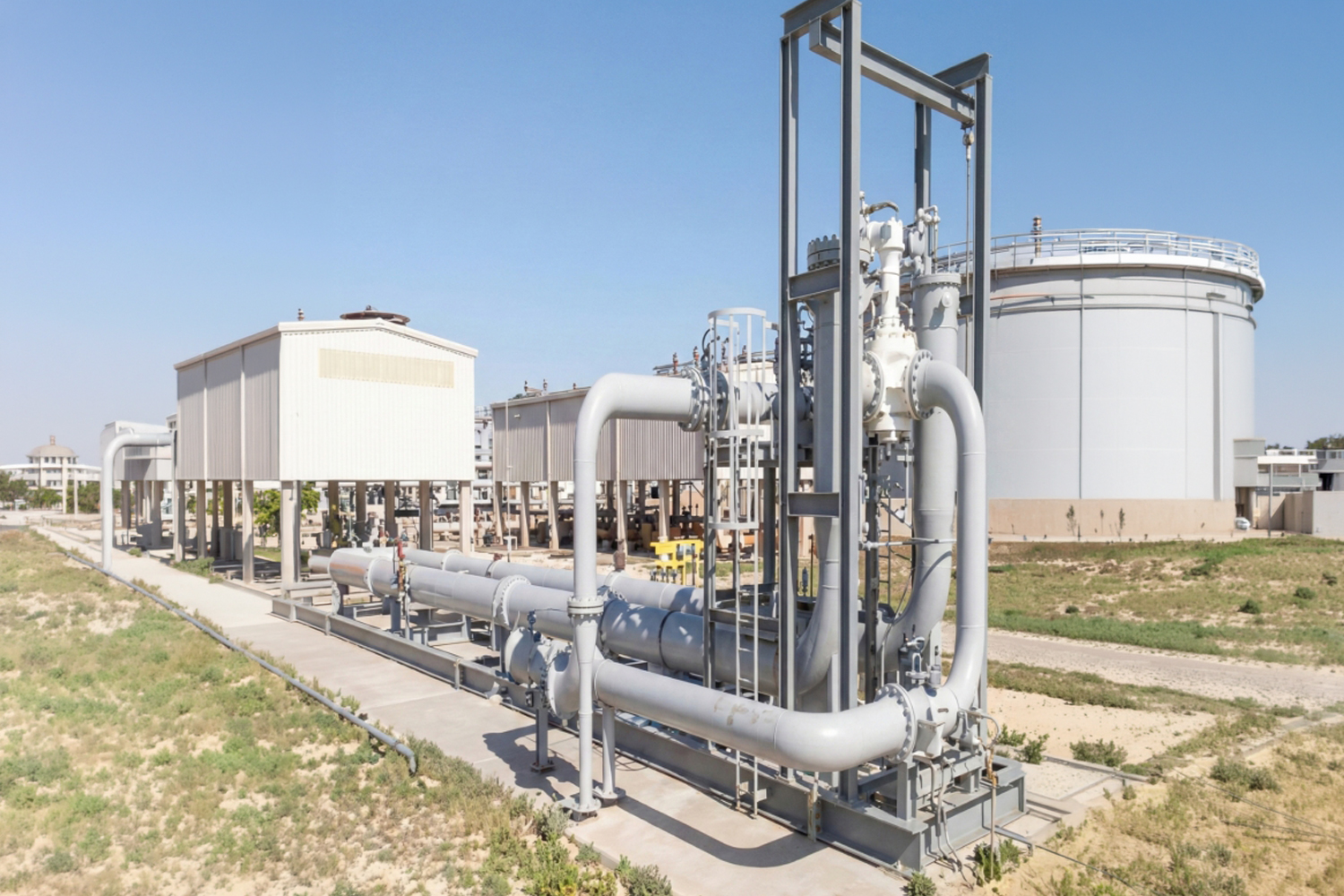
As depicted in this project gallery, our specialized automation engineers meticulously execute the intricate electrical integration directly within the main control cabinets. This rigorous process involves the careful installation, complex wiring, and system configuration of high-end Honeywell control modules, robust circuit protection devices, and highly structured terminal blocks.
Our technicians ensure that every connection strictly meets the highest international electrical standards to guarantee uninterrupted data transmission, fail-safe shutdown capabilities, and immediate fault response. By successfully deploying these intelligent control systems, RIDA TS provides our clients with enhanced system reliability, superior real-time monitoring capabilities, and significant energy efficiency, ultimately safeguarding their critical thermal processing infrastructure.