
This project involved the strategic integration of three reference fluid flowmeters with a centralized bidirectional ball prover, selected to strictly match existing refinery specifications. The scope encompassed comprehensive engineering design, piping connector fabrication, and installation of valves, manifolds, and drains, concluded by delivering a mobile prover and master meter.
Location
ARC Terminal, Libya
Date
2019 - 2022
Solution
Mechanical Pipe Fabrication & Structural Welding
Civil Engineering & Sump Construction
Integration of Bidirectional Ball Provers
Automation Calibration Upgrades
Project Profile: Fabrication and Installation of Tie-in Piping and Prover Systems
Key Project Details
- Project Name: Fabrication and Installation of Tie-in Piping and PROVER Systems
- Core Objective: To establish a physical connection between the terminal's main pipeline infrastructure, reference flowmeters, and the bidirectional prover.
- Scope of Work: Structural tie-in design, mechanical piping fabrication, new concrete sump tank construction, reservoir tank placement, and testing.
- Technology Deployed: Heavy-duty Bidirectional Ball Prover infrastructure, master meter calibration loop, and specialized tie-in piping networks.
- Operational Impact:
Enabled instant, high-accuracy validation of refinery reference flowmeters.
Delivered a completely versatile mobile prover calibration system for the terminal.
RIDA T.S. successfully engineered the physical links between the terminal’s primary pipeline networks and the new prover infrastructure. The team also constructed a new reinforced concrete sump tank and installed provided washing and reservoir tanks to seamlessly support daily calibration loops.
Products & Services Used:
Calibration & Proving Systems: Heavy industrial bidirectional ball prover loops, high-volume washing/reservoir tanks, and a custom mobile prover unit.
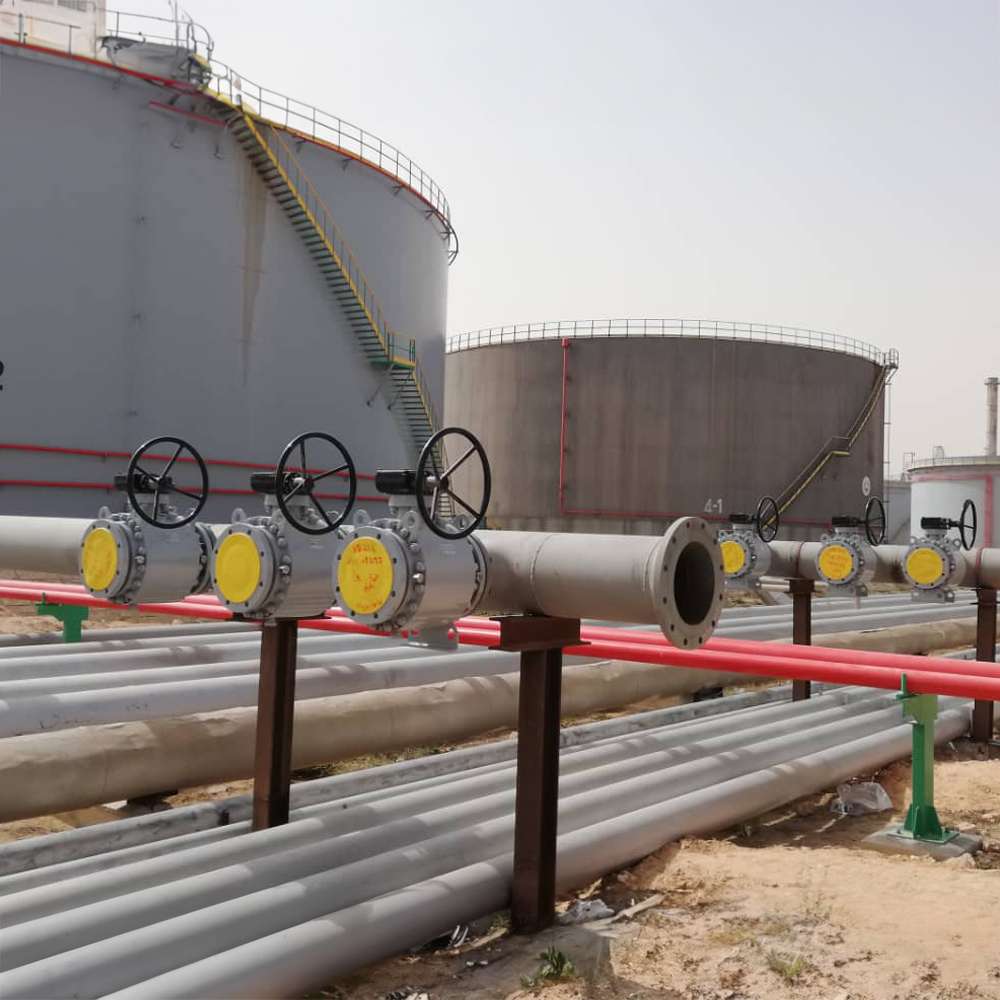
Piping Infrastructure: Custom-fabricated heavy-wall pipe spools, control manifolds, automated isolation valves, and secure drainage links.
Post-Project Impact: This infrastructure upgrade provided the terminal with an on-site calibration baseline. The facility can now verify custody-grade transfer instruments continuously, ensuring long-term transparency and accurate transaction documentation.

Project Gallery: Tie-in Piping and Prover Systems
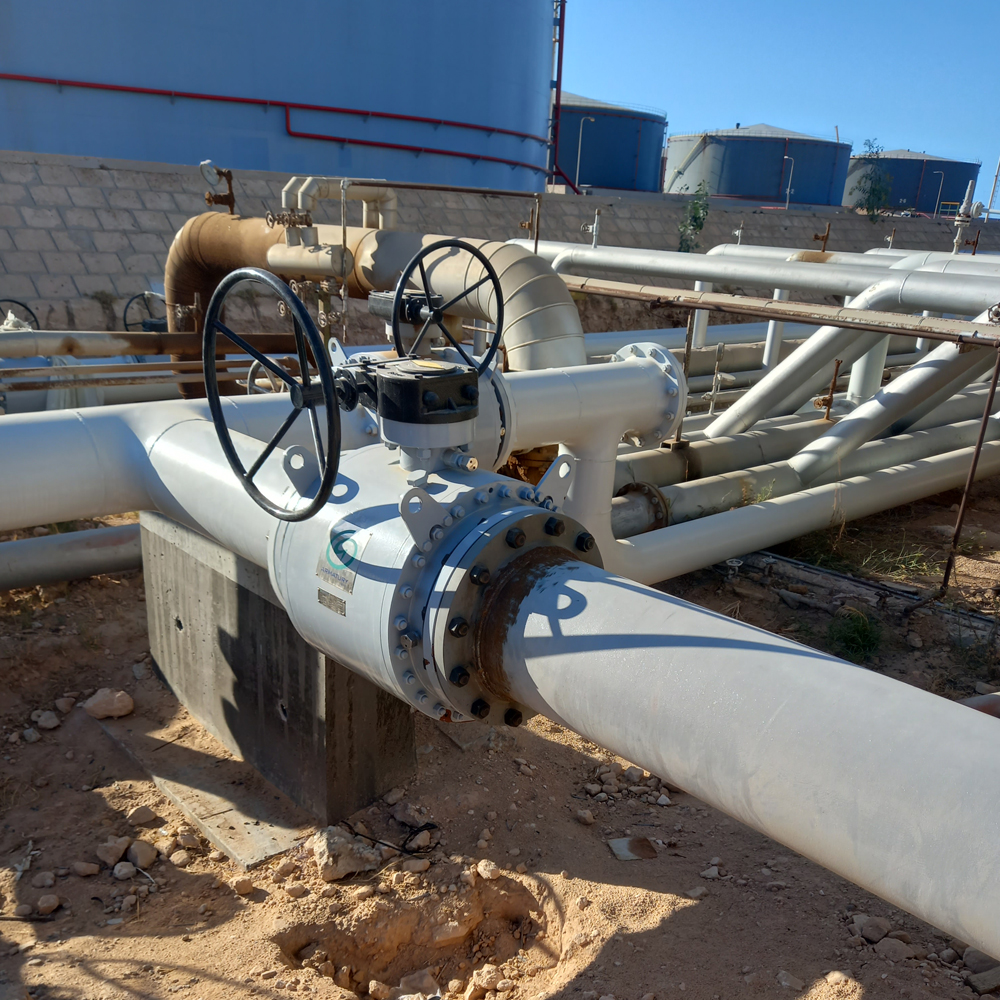
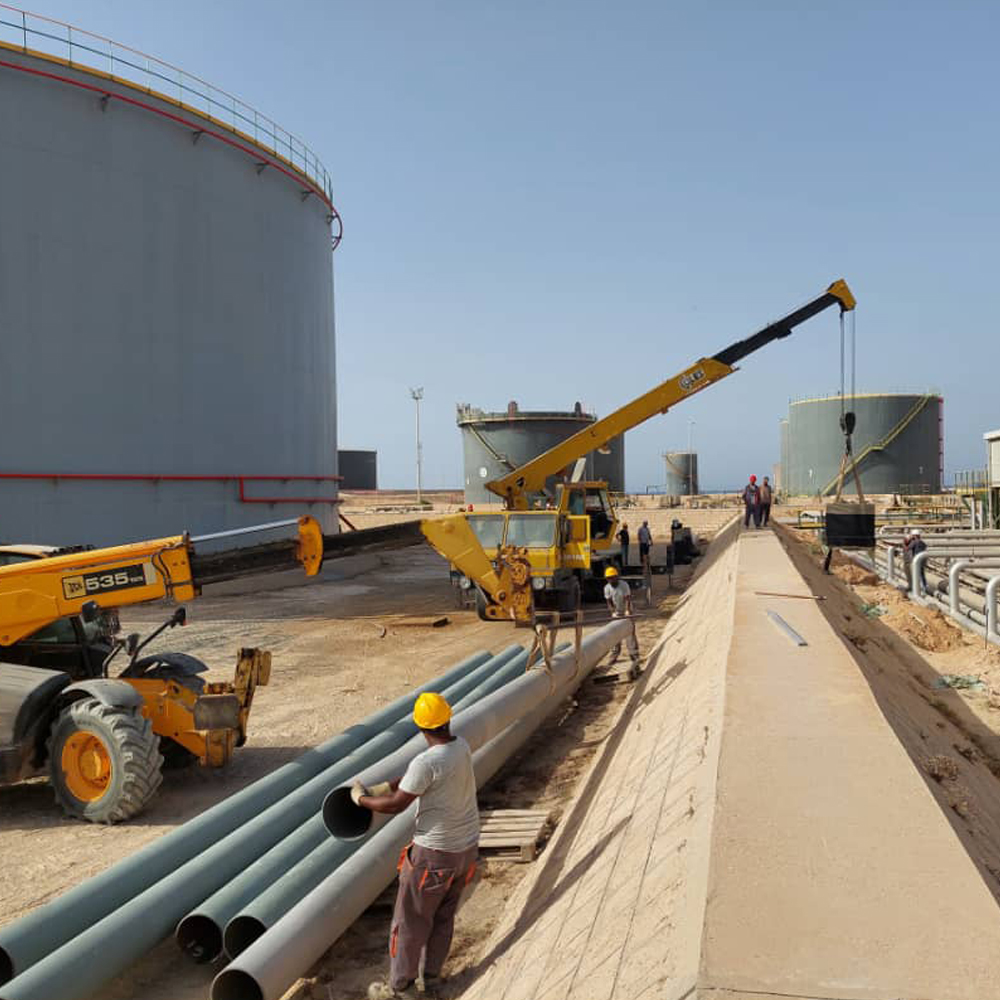
The fabrication and installation of tie-in piping and prover systems demand rigorous mechanical engineering and seamless execution, especially when operating within active industrial environments. This comprehensive project clearly demonstrates RIDA TS’s capability to manage complex infrastructure expansions, ensuring highly reliable integration with existing high-capacity storage tank networks.
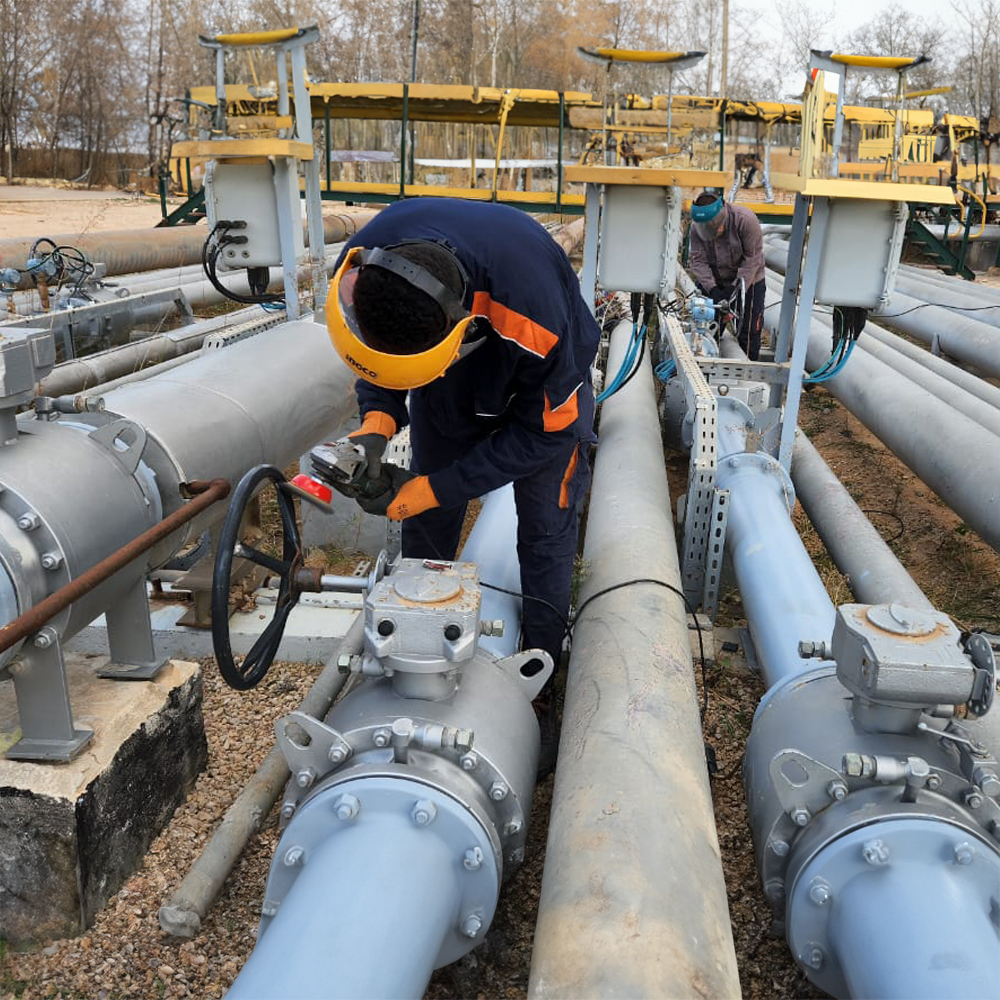
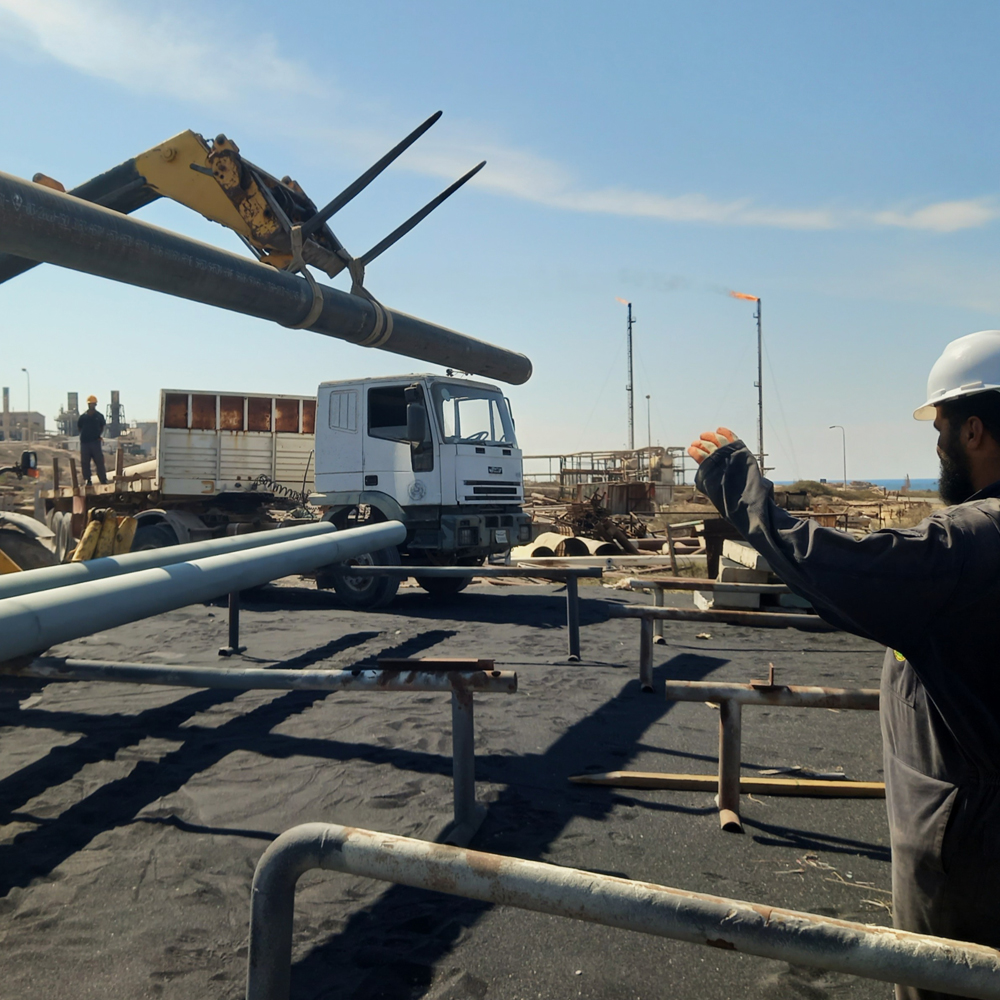
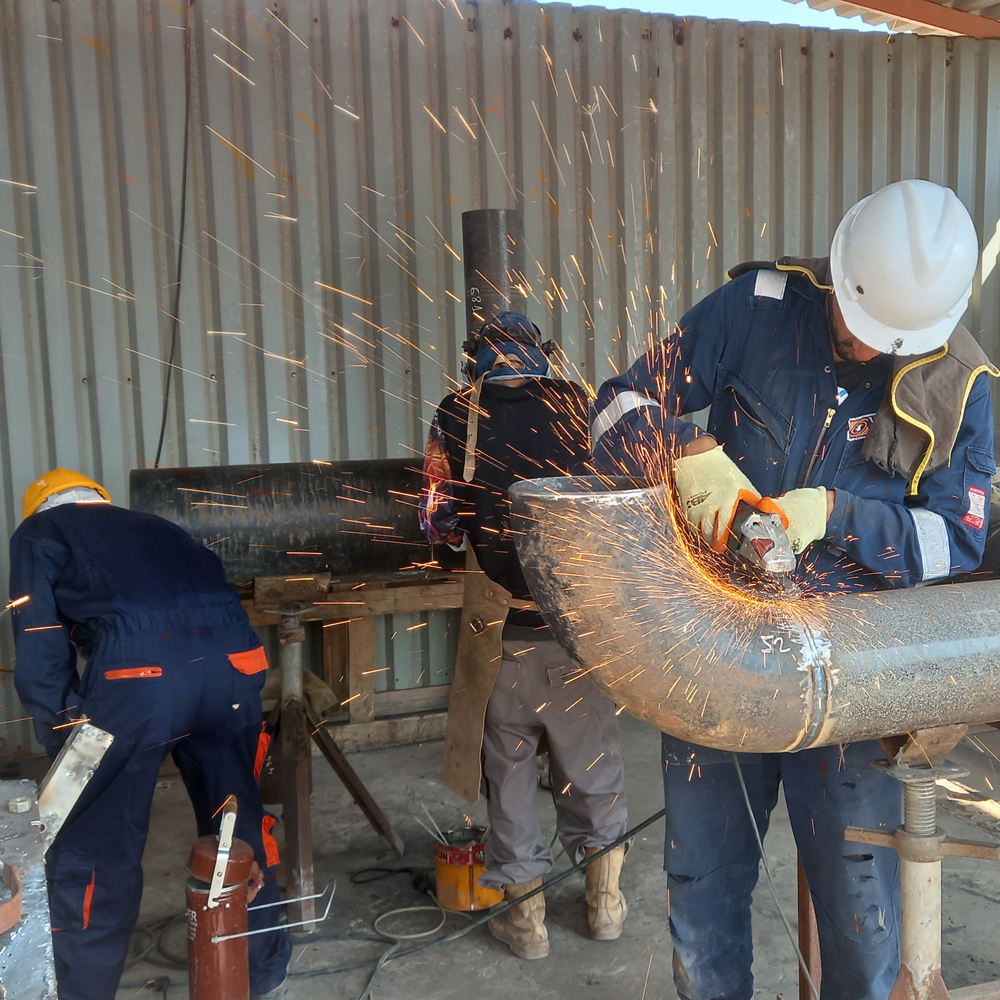
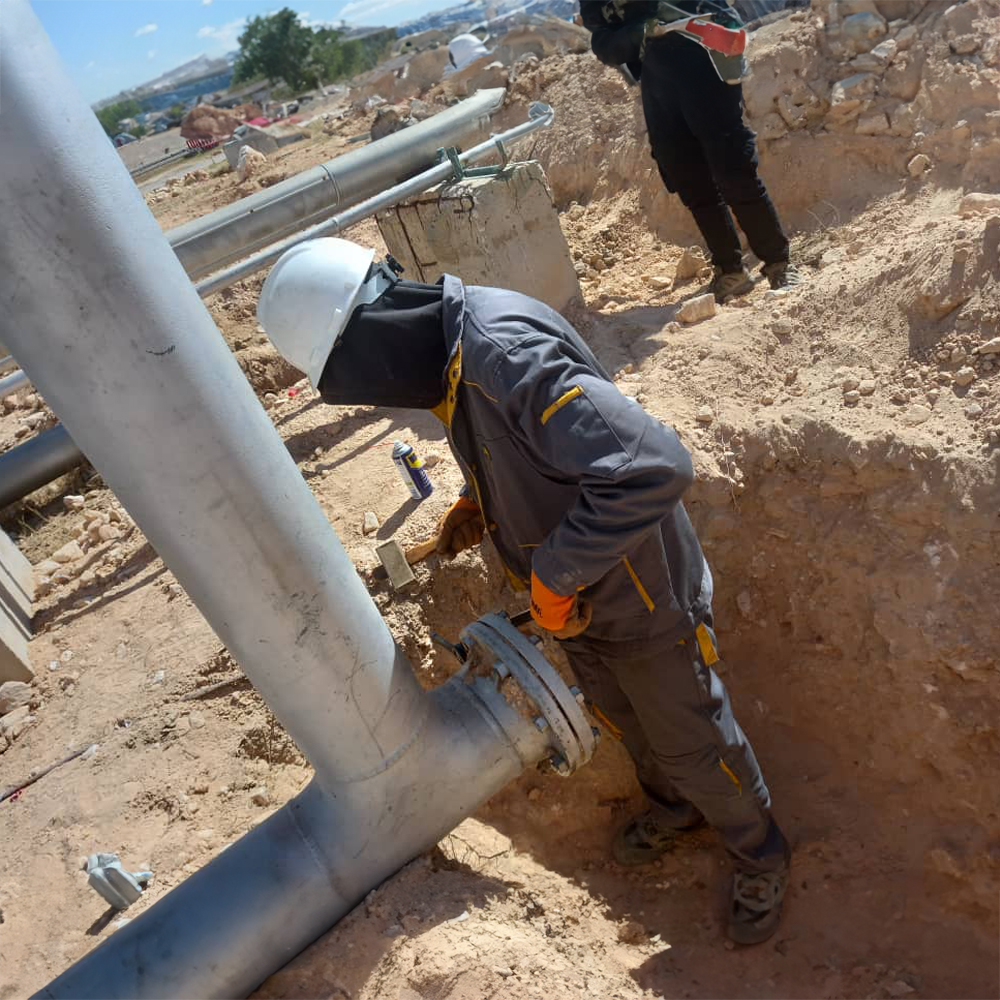
As showcased throughout this extensive gallery, our multidisciplinary teams executed every critical phase of the deployment with absolute precision. The operational workflow spans from the intensive on-site fabrication and heavy-duty arc welding of large-diameter pipe elbows to the meticulous surface grinding and preparation of vital flanged valve connections. Safely maneuvering these massive steel piping segments and specialized heavy industrial components required expertly coordinated lifting logistics, utilizing heavy loaders and mobile cranes directly on the terminal grounds.
Our skilled field engineers and technicians meticulously handled both complex subterranean trench assemblies and the construction of extensive, structurally reinforced above-ground piping manifolds. By strictly adhering to international welding, metallurgical, and mechanical assembly standards, RIDA TS guarantees the long-term structural integrity and leak-proof performance of these critical junctions. The successful integration of these tie-in lines and prover systems ultimately ensures highly accurate flow meter calibration and safe, optimized fluid transfer across the entire facility.